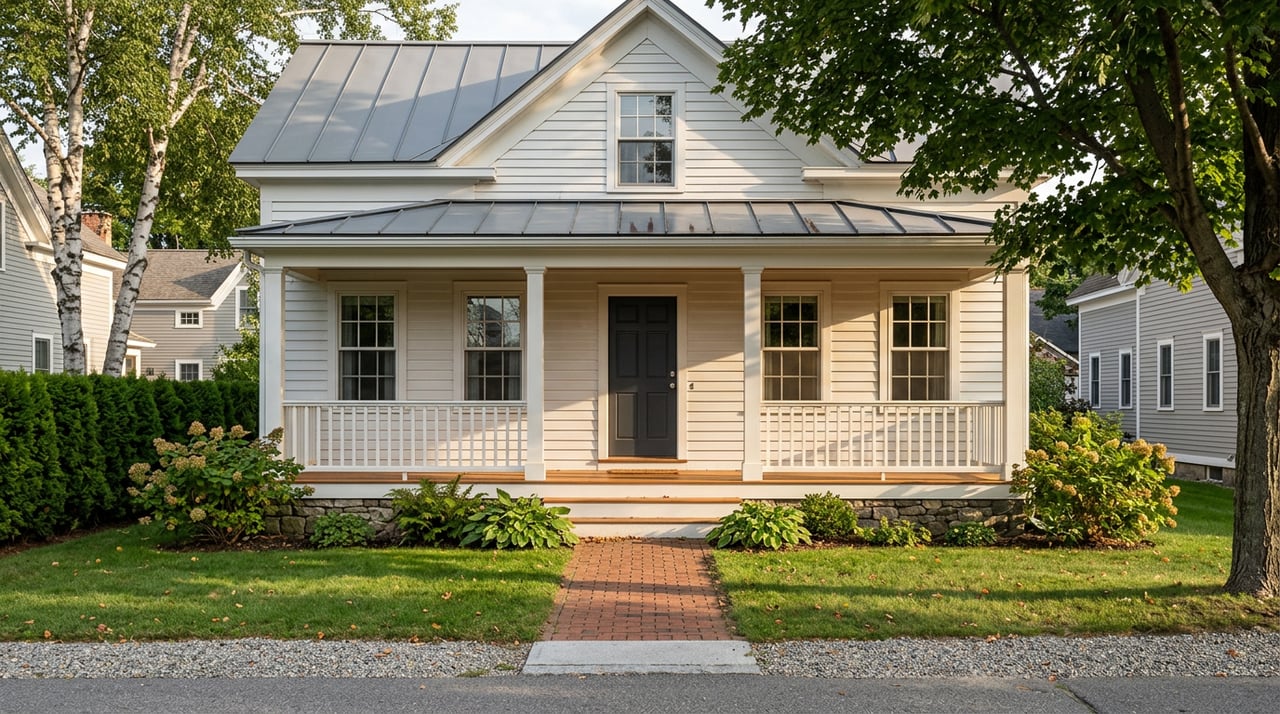
Picture this: you cross a small bridge from a lively college green and arrive in a classic Vermont village with a white-steepled skyline, a town green, and a general store that seems to carry everything. If you’re weighing a move for work at Dartmouth or DHMC, or you’re craving small-town rhythm with strong community ties, Norwich delivers both. In this guide, you’ll learn how Norwich lives day to day, what housing looks like, how commuting works, and how schools and recreation fit into the picture. Let’s dive in.
Norwich at a glance
Norwich is a small Upper Valley town with a highly educated population and strong household incomes. The American Community Survey shows a median household income around $140,000 and a mean commute time of about 19 minutes, which reflects the short hop to nearby job centers in Hanover and Lebanon. These factors contribute to higher home values than many surrounding areas. You can explore the town’s demographic snapshot in the ACS profile for Norwich for a clear, data-based view of the community’s makeup (Census Reporter).
Village feel and daily life
Historic core and green
Norwich centers on a compact village with Tracy Hall, the town green, and a streetscape of historic homes. The Norwich Village Historic District preserves much of the 19th and early-20th century character, which shapes how you live here: errands by foot, easy bike rides, and a habit of seeing familiar faces. The result is an “in-town” lifestyle that feels connected and calm (Norwich Village Historic District overview).
Shops, dining, and rituals
Dan & Whit’s general store is the everyday hub for groceries, hardware, and quick chats with neighbors. It’s also a stop on the local bus route, which keeps the village core plugged into the rest of the Upper Valley (Advance Transit Brown route). For dinner or a quiet drink, you’ll find village options like Carpenter & Main and the historic Norwich Inn. Saturdays often start at the Norwich Farmers’ Market, with winter markets moving indoors to Tracy Hall so the community rhythm stays steady year-round (Norwich winter market listing).
Getting around and commuting
Fast Hanover connection
Norwich sits just across the Connecticut River from Hanover. The Ledyard Bridge links the two towns for drivers, cyclists, and walkers, making it easy to catch a lecture, concert, or game and be back home in minutes. Many households work or study across the river, which shapes commuting patterns and everyday routines (favorite walks near Ledyard Bridge).
Public transit and car times
Advance Transit runs free fixed-route service that connects Norwich and Hanover on its Brown route, with stops at Tracy Hall and other village locations. Weekday schedules support commuting and midday trips, and the bus is reliable for errands or getting to campus without a car (Advance Transit service map). Many residents still drive for convenience, especially for Lebanon, I-91, and farther destinations, and the ACS mean commute around 19 minutes offers a reasonable benchmark for typical drives, weather permitting (ACS Norwich profile).
Health care and major employers
Dartmouth College and Dartmouth-Hitchcock Medical Center anchor regional employment and health care. DHMC’s main campus in Lebanon is an easy drive from Norwich, and many residents’ work lives connect to these institutions in some way (DHMC reference). This proximity also influences housing demand close to the river.
Housing and neighborhoods
Norwich’s housing stock leans strongly toward single-family detached homes, and owner-occupancy rates are higher than county averages. Multi-family buildings and rentals exist, but they make up a smaller share of the market, which is important to know if you’re relying on a wide rental inventory or compact in-town apartments. The town’s planning documents also note affordability and supply as active local priorities (Norwich Town Plan).
Walkable village living
If you love errands by foot and a front porch within sight of the green, focus your search around the village core. Historic homes on modest lots near Main Street put you within easy reach of Tracy Hall, Dan & Whit’s, and community events, which supports a friendly, easygoing daily routine (village character overview). As a buyer, plan for older-home systems and evaluate light, circulation, and room proportions to understand how the home will live.
More land and privacy
Outside the village, Norwich offers larger lots and more space for gardens, workshops, or home-based businesses. You’ll see a mix of older farmhouses and newer construction on acreage, which can offer quiet settings and room to spread out. If you value privacy and outdoor space, this part of town is a strong match (Norwich Town Plan).
Families and schools
Norwich students attend Marion Cross Elementary in town, then move to the Dresden School District for middle and high school in Hanover through an interstate arrangement. This setup is a distinctive feature of living in Norwich, and families relocating to the area often weigh it heavily in their decision. For current district structure and contacts, review the SAU 70 overview (SAU 70 — Our Districts).
Price context and what to expect
Two common ways to describe prices tell different stories. The ACS reports a median value for owner-occupied homes, which shows Norwich’s higher values compared with the county and state. Marketplace indices, such as ZHVI, typically place Norwich’s home values in the mid-to-high $600,000s to around $780,000 depending on the date and methodology. Use ACS figures for demographic comparisons and current MLS data for active pricing and buyer experiences. If you’re planning a purchase or sale, I can help you translate these benchmarks into today’s on-the-ground comps and strategy.
Outdoors and recreation
Town trails and conservation lands are part of everyday life. The Milton Frye Nature Area sits next to Marion Cross School, with short loops suited to family walks and cross-country skiing, and the town partners with regional groups to maintain paths and improve access. Start with the Norwich Nature Area to get a feel for the network and expand from there (Norwich Nature Area trails).
In warmer months, the Connecticut River draws paddlers and rowers, and the area near Ledyard Bridge buzzes with activity. Quick trailheads and scenic drives also make it easy to fit in a morning hike or an after-dinner stroll. If an outdoor reset is part of your daily rhythm, Norwich makes it simple.
Is Norwich a fit for you?
- You want small-town New England with fast access to a college town’s culture. The village green, local restaurants, and community events are minutes from Dartmouth’s lectures, performances, and sports (village character).
- You prefer short regional commutes and car-optional options. The free Advance Transit bus and the Ledyard Bridge keep Hanover close without much planning (Advance Transit).
- You value single-family homes and, in many areas, larger lots. Norwich’s housing stock skews owner-occupied with fewer multi-unit buildings, so plan accordingly (Norwich Town Plan).
- You need a wide selection of rentals or lower-cost starter homes. Inventory for smaller and lower-priced units is more limited here, and affordability is an ongoing local focus (Norwich Town Plan).
How I help you buy or sell in Norwich
As a design-informed real estate advisor, I look at homes through the lens of space, light, and flow so you can buy with confidence and avoid costly surprises. For buyers, that means identifying potential in older homes, clarifying what updates are worth it, and reading how a floor plan will live day to day. For sellers, it means targeted prep and design-forward staging that highlights character, answers buyer objections, and brings strong attention in the first weeks on market.
If Norwich is on your short list, I’m here to help you evaluate fit, compare neighborhoods, and plan next steps with clarity. Reach out to Kristen Culhane to schedule a consultation.
FAQs
What is the commute like from Norwich to Hanover?
- Most drives are short, and the Ledyard Bridge provides a direct connection. The ACS shows a mean commute around 19 minutes, though times vary by destination and weather. The free Brown route bus also links Norwich to Hanover for car-free trips.
How does public transit work in Norwich, Vermont?
- Advance Transit operates free fixed-route service, including the Brown route between Norwich and Hanover with stops at Tracy Hall and village locations. Weekday schedules cover commuting and midday errands.
What types of homes are common in Norwich, VT?
- Single-family detached homes make up most of the housing stock, with higher owner-occupancy and fewer multi-family or rental options compared with the county. This shapes a neighborhood feel of standalone homes and larger lots in outlying areas.
How do public schools work for Norwich residents?
- Students attend Marion Cross Elementary in Norwich, then move to the Dresden School District for middle and high school in Hanover through an interstate arrangement. Families should verify current details with SAU 70.
What is the housing price context in Norwich, Vermont?
- The ACS median owner value is high relative to the county and state. Market indices often show typical values in the mid-to-high $600,000s to around $780,000, but figures change with time and method. Use current comps for decisions.
What outdoor options are near Norwich village?
- You’ll find town-managed trails like the Milton Frye Nature Area for short walks and skiing, plus quick access to the Connecticut River for paddling near the Ledyard Bridge. Everyday recreation is close to home.