If you’re drawn to places where architecture, landscape, and daily life feel connected, Quechee has a lot to offer. This village blends historic mill-town character, resort-style amenities, and dramatic natural scenery in a way that feels distinctly Upper Valley. If you’re considering a move, a second home, or simply trying to understand what makes Quechee visually and emotionally appealing, this guide will help you see how the area lives and why its design identity stands out. Let’s dive in.
Why Quechee Feels Distinct
Quechee is one of Hartford’s five villages in Windsor County, located near the Vermont and New Hampshire border just south of Dartmouth College. According to the Hartford Area Chamber of Commerce, the village evolved from a mill town into a resort community while preserving much of its historic character.
That layered history matters when you walk or drive through the area. You can still feel the influence of the old mill district, but it now sits alongside a more curated, recreation-focused lifestyle. For design-minded buyers, that mix often reads as both grounded and visually cohesive.
Quechee’s Visual Identity
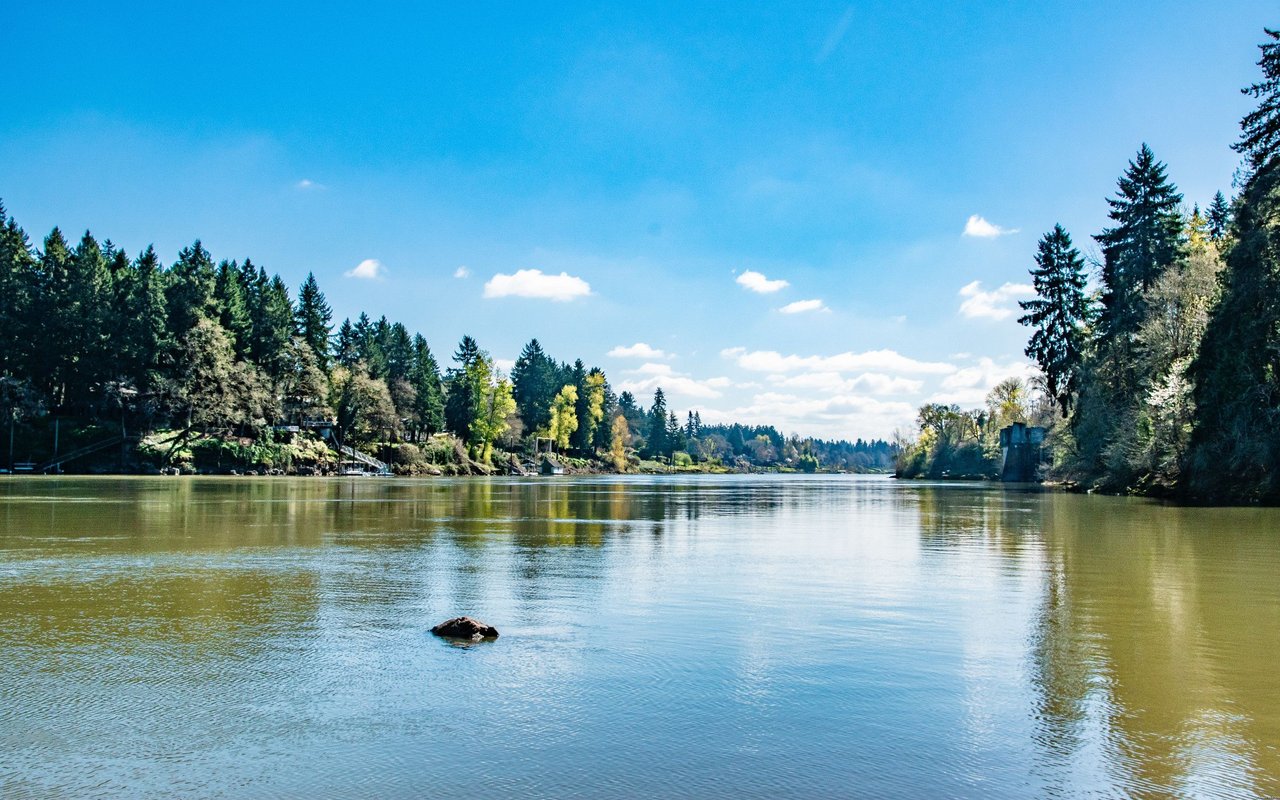
The strongest design cue in Quechee is its relationship to the landscape. Quechee Gorge State Park describes the gorge as Vermont’s deepest, dropping about 165 feet to the Ottauquechee River after being formed by glacial activity roughly 13,000 years ago.
That kind of setting shapes more than postcard views. It gives the village a strong scenic identity, with water, stone, wooded slopes, and preserved buildings all contributing to the look and feel of everyday life. In practical terms, it also means you should expect regular visitor traffic around the gorge, especially during peak travel seasons.
Historic Character and Adaptive Reuse
For a small village, Quechee has an unusually rich range of architectural styles. The historic district inventory documents Federal, Greek Revival, Gothic Revival, brick homes, gable-front mill-worker houses, barns, and other 18th- and 19th-century structures.
What makes Quechee especially interesting is that preservation here is not frozen in time. The same inventory also notes adaptive reuse, including a former dairy barn converted into residential and office condominiums. That blend of old and new gives the village a collected feel rather than a manufactured one.
For buyers with an architectural eye, this is part of the appeal. You are not looking at one uniform housing type or one visual story. You are seeing a place where historic materials, practical reuse, and long-term stewardship all play a visible role.
A Resort Community With Design Standards
Beyond the historic village core, the larger Quechee Lakes development adds another layer to the local housing picture. The historic district materials explain that Quechee Lakes introduced homes and condominiums on the surrounding hillsides along with planned amenities like a ski area and golf course.
That development also comes with a more managed ownership experience. The Quechee Lakes Landowners Association oversees common land, amenities, and image, while its Review Board manages construction and landscaping standards. If you value consistency, maintenance, and a well-kept visual environment, that structure may feel like a benefit.
It also helps explain why Quechee often feels more polished than a typical rural village. There is a clear balance between Vermont vernacular character and resort-era planning.
Design Lovers Notice Simon Pearce
If one place captures Quechee’s design personality in a single image, it may be Simon Pearce. The Quechee location combines a glassblowing studio, restaurant, and retail space in a restored mill overlooking the river and waterfall.
This is not just a local attraction. It is also a useful shorthand for the village’s broader aesthetic. Restored industrial architecture, craftsmanship, natural views, and thoughtful reuse all come together in one setting.
For anyone who cares about materials, atmosphere, and how a place presents itself, that matters. Quechee tends to appeal to people who notice those details.
Four-Season Living in Quechee
Quechee is not just visually appealing. It also has a strong seasonal rhythm that shapes how people use their homes and spend their time. The Quechee Club describes itself as the center of a four-season lifestyle enjoyed by more than 1,400 residents.
That four-season structure is part of what makes the area work well for both full-time owners and second-home buyers. Instead of one short peak season, Quechee offers different reasons to be here throughout the year.
Summer in Quechee
Summer life often centers on golf, lake time, and outdoor dining. The Quechee Club lifestyle page highlights two 18-hole golf courses, Lake Pinneo access, canoe and kayak options, indoor and outdoor pools, and seasonal dining across the campus.
If you’re picturing how a home might live in summer, this matters. Outdoor gear storage, mudroom function, porch space, and easy indoor-outdoor flow can all become more important in a place where lake days, evening bonfires, and social club activity are part of the rhythm.
Winter in Quechee
Winter is equally defining. The same Quechee Club lifestyle information notes that Ski Quechee is open to the public and that the area includes more than 10 miles of tracked and maintained cross-country trails, along with snowshoeing, sledding, ice skating, and uphill travel.
For buyers, that can change what “fit” means in a house. Entry sequence, boot storage, heating performance, and durability under snow-season use may matter just as much as aesthetics. In Quechee, beautiful living often needs to be practical living too.
Events and Local Energy
Quechee also has a seasonal event calendar that gives the area a strong sense of place. The Quechee Balloon Festival is held each June and is promoted as a long-running Father’s Day tradition.
Nearby attractions listed through the festival and state park resources include VINS Nature Center, Morningside Flight Park, Quechee Gorge Village, and Marsh-Billings-Rockefeller National Historical Park. Together, those destinations reinforce Quechee’s identity as a place where recreation, scenery, and culture overlap.
For homeowners, that can be part of the appeal. You are not just buying a house. You are buying access to a lifestyle with recognizable annual rhythms and visitor energy.
What Homes in Quechee Look Like
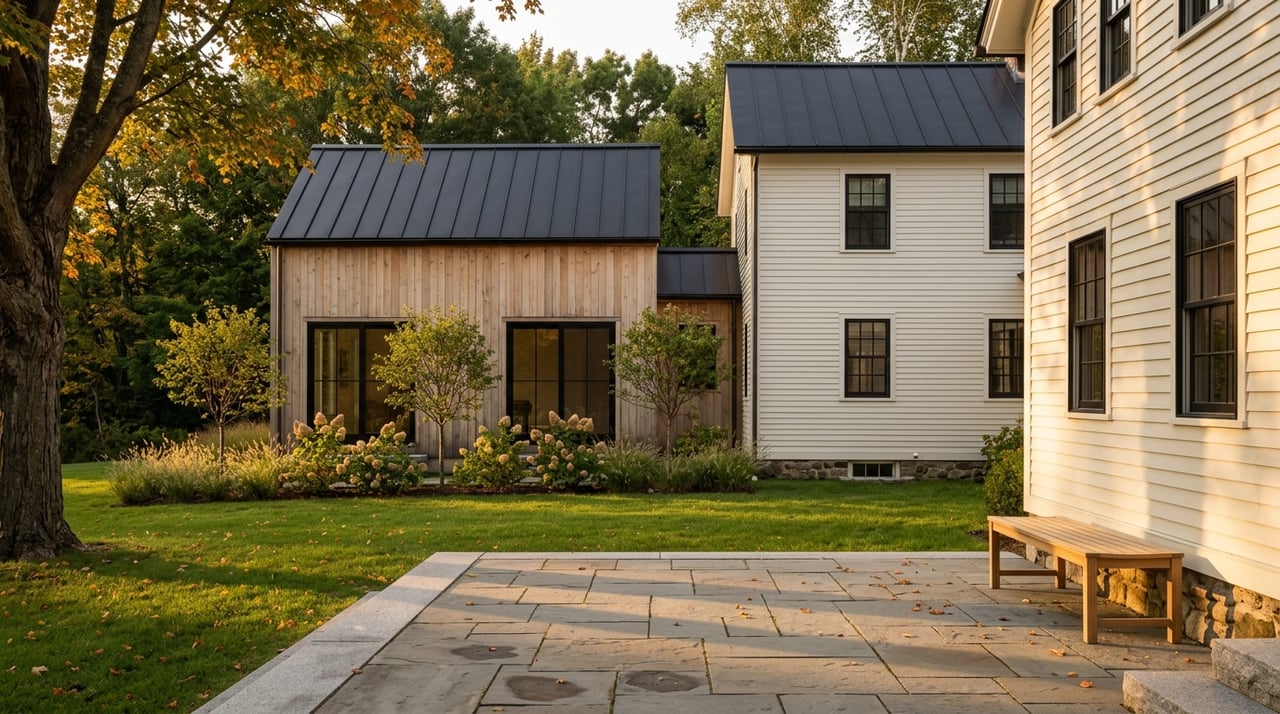
One of the most important things to understand about Quechee is that the housing stock is not one-note. You will find historic village properties, condos, planned community homes, and larger retreat-style residences rather than one standard product type.
The local market snapshot in Zillow’s home value index places the average home value at $415,872 as of February 28, 2026, while Redfin’s housing market data reports a February 2026 median sale price of $365,000 and notes homes taking about 55.5 days to sell in a somewhat competitive market.
The key takeaway is not a single price number. It is that Quechee appears to be a thin, segmented market with a wide range of home types and sale prices. That makes it especially important to evaluate each property on its own merits, including location, condition, layout, and how well it aligns with your goals.
What Buyers Should Watch For
If you’re design-minded, Quechee rewards careful observation. A home here can be compelling for very different reasons, whether that is historic detail, hillside setting, condo convenience, or access to recreational amenities.
When I advise buyers, I look closely at how a home handles a few essentials:
- Space and flow for everyday use and hosting
- Natural light across seasons and times of day
- Condition and maintenance in older or highly seasonal properties
- Storage and entry function for outdoor gear and Vermont weather
- Potential for updates without fighting the home’s underlying character
- Ownership structure and community rules that may affect changes or landscaping
In Quechee, that last point is especially important. In the Quechee Lakes community, ownership automatically includes club membership, and the community also has review standards tied to construction and landscape decisions, as noted by the Quechee Club and local historic documentation.
Is Quechee Better for Full-Time Living or a Second Home?
The honest answer is that it can support both. The Quechee Club presents the area as a place to call home, a vacation getaway, or a visit, and the research supports a meaningful mix of full-time residents, guests, and second-home owners.
That flexibility is part of the market’s appeal. Some buyers want a low-friction retreat with built-in amenities, while others want a primary residence with year-round recreation and a visually distinctive setting. Quechee can speak to both, depending on the property and location.
Why Quechee Appeals to Design-Conscious Buyers
For many buyers, Quechee is appealing because it feels composed. The gorge, river, preserved mill buildings, adaptive reuse, and well-maintained club environment create a visual language that is hard to replicate.
It is not flashy, and that is part of the point. The appeal is in proportion, stewardship, setting, and the way homes and landscape often feel connected. If you care about light, materials, character, and how a place functions across seasons, Quechee offers a lot to pay attention to.
If you’re thinking about buying or selling in Quechee, I can help you evaluate a property through both a market and design lens so you can make decisions with more clarity. When you’re ready, connect with Kristen Culhane to schedule a consultation.
FAQs
What is Quechee, Vermont known for?
- Quechee is known for its historic mill-village character, four-season recreation, and Quechee Gorge State Park, which features Vermont’s deepest gorge.
What types of homes are available in Quechee?
- Quechee includes a mix of historic village homes, condominiums, planned community properties, and larger hillside homes, rather than one single housing style.
Do Quechee Lakes owners get club access?
- Yes. In the Quechee Lakes community, property ownership automatically grants membership, according to the Quechee Club.
Is Quechee a good fit for second-home buyers?
- Quechee can work well for second-home buyers because it offers four-season amenities, a strong lifestyle identity, and housing options that range from condos to larger retreat properties.
What makes Quechee visually distinctive compared with other Vermont villages?
- Quechee stands out for its gorge and river setting, preserved mill buildings, adaptive reuse, and the carefully maintained character of the broader resort community.
What is the real estate market like in Quechee, Vermont?
- Quechee appears to be a segmented market with a broad range of property types and prices, with Redfin reporting a February 2026 median sale price of $365,000 and about 55.5 days on market.